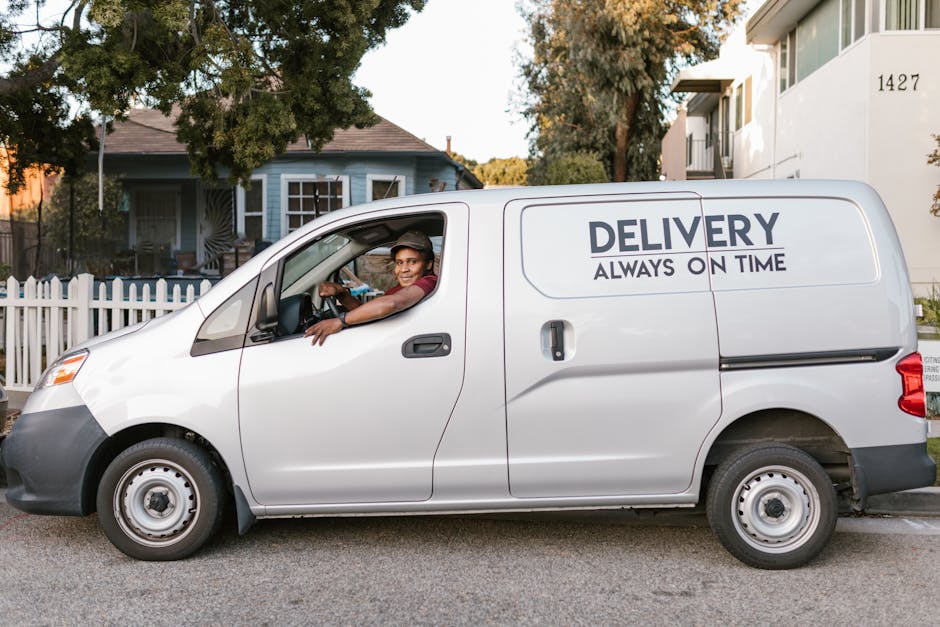
Man with van in Balham for practical home and office removals

Our man with van in Balham service is set up for straightforward moves that still need care, order and good timing. We handle furniture, boxed belongings, appliances and mixed loads for homes, flats and small businesses, with the aim of moving items safely and keeping the process clear from the first enquiry to the final drop-off. If you need a flexible removal option rather than a full-scale lorry move, this service gives you a useful balance of capacity and attention.
The work can suit local moves, single-item transport, part loads and collections where a larger vehicle would be unnecessary. We also support customers who want help with heavier pieces, awkward stairs or narrow access, so the load is handled sensibly. For larger or more structured moves, our removals service can provide a broader approach, while smaller mixed collections may suit a more focused van-based visit.
When you are ready to compare options and plan the right level of help, request a quotation here. It is often useful to set out the kind of items involved, the addresses, and any access points that might affect loading, so the quote reflects the real work rather than a rough guess.
What the service covers
We use the man and van format for moves that benefit from careful handling without unnecessary scale. That can include household furniture, white goods, boxes, office items and storage contents. The vehicle size and loading plan matter because a practical move is not only about carrying capacity; it is also about how items fit together, how they are protected and how efficiently they can be loaded and unloaded in the space available.
For customers comparing different removal options, the main decision is often whether the job needs simple transport or a more complete relocation plan. Our man and van page is useful if you want to review this type of service in a general sense before moving to a quotation. It can help you think through whether you need one lift, several trips, or help with specific belongings rather than a whole property move.
In practical terms, the service is often best for people who need a responsive option for a defined task. That might mean moving from a flat share, taking furniture between properties, delivering items to storage, or collecting purchases from another location. We keep the focus on clear communication, suitable vehicle use and the right amount of labour for the job. Good planning reduces avoidable delays and helps the work run in a steady order.
Home moves and furniture handling

House moves need more than transport alone, even when the move is relatively modest. Items often need to be taken down stairs, carried through shared entrances or placed carefully in rooms at the destination. We work with furniture, beds, wardrobes, tables, shelving and boxed household goods, with attention to the order in which they are loaded so that vulnerable or bulky pieces are handled in a sensible sequence.
Where customers only need selected belongings moved, a partial move can be arranged without the cost or complexity of empty space being treated as if it were a full house load. That is why it can be useful to compare our broader home moves service with the more flexible van-based option. The right choice depends on volume, access and the level of help needed with lifting, carrying and placement.
Some items require extra thought even when they are not especially large. Mirrors, glass shelves, computer equipment and assembled furniture benefit from packing that prevents movement inside the van. Clear labelling also helps when items are going to different rooms or different addresses. If you are arranging a move with mixed household contents, it is worth thinking about which pieces should be loaded first and which should be kept accessible for quick unloading.
Office items and business transport
Business moves often need organised transport for desks, chairs, files, displays and equipment rather than a full relocation team. A man with van arrangement can work well for smaller office clearances, branch transfers and the movement of specific items between premises. The emphasis is usually on protecting items that matter to day-to-day operations and keeping handling neat in buildings where access may be shared or time-limited.
If your work involves a wider commercial relocation, commercial moves can be a better fit because the service is designed for business property and workplace equipment. For smaller office loads, however, the van-based approach can be practical, especially where the job is defined and access is manageable. It can also suit equipment transfers to storage, temporary premises or a new location after refurbishment.
Businesses often need a move plan that avoids unnecessary disruption. That can mean grouping similar items together, keeping paperwork separate from general furniture and making sure the destination is ready for unloading. We can work with a clear list of what is moving and what should remain in place. Orderly labelling is helpful here, particularly when several people are involved in closing one space and reopening another.
Collections, drop-offs and single-item jobs

Not every job is a full move. A man with van service is often chosen for collections, deliveries and one-off transport where the customer needs a reliable vehicle and suitable lifting help. That may include furniture bought from another address, boxed goods going to a family member, or a heavy item that is awkward to move in a standard car. The value of the service lies in matching the transport to the size of the task.
When the load is limited, it is sensible to use a service that does not overcomplicate the process. Furniture pick-up can be a useful related option if your main need is collection rather than a broader move. We keep the same practical emphasis on access, safe handling and clear loading, which matters whether the item is a sofa, cabinet, bed frame or other sizeable piece.
Single-item work can still involve planning. Stair widths, parking, packaging and the finish on the item all affect how it should be moved. Where a customer is unsure whether something can be handled in one visit, a simple description of the item and the addresses involved usually helps. We can then judge whether the job suits one van run, a heavier-duty approach or a more staged collection.
Packing support and item protection
Some customers want more than transport on the day and prefer help preparing items first. Packing support can make the loading stage calmer and reduce the risk of loose pieces shifting in transit. That is particularly useful for fragile household items, work equipment or mixed contents that need to be separated before they go into the van. A thoughtful packing plan also makes unloading easier at the destination.
If you need this kind of assistance, packing and unpacking services may be relevant alongside the man with van move itself. The aim is to keep the handling consistent from start to finish, so boxed items stay grouped and breakable items have appropriate protection. We do not treat packing as an afterthought; it is part of how a move stays controlled rather than rushed.
It is useful to decide in advance which belongings need wrapping, which can travel in boxes and which should be carried separately. That can include lamps, artwork, kitchen items or small electronics. If the move involves a number of dismantled pieces, keep fittings and fixings together in labelled bags. Those small steps save time at the other end and reduce the chance of missing parts when furniture is rebuilt or placed.
About Balham
Balham is a district in south London within the London Borough of Wandsworth, sitting between Clapham and Tooting and shaped by its position on the Northern line and the rail corridor running through Balham station. The area developed significantly in the Victorian and Edwardian periods, when transport links encouraged suburban growth and brought a strong pattern of terraced housing, mansion blocks and local parades. Its built environment still reflects that history, with streets that mix later redevelopment with long-established residential forms. Balham High Road is the centre of everyday activity, connecting shops, cafés and services while also marking a busy route through the district. Nearby open space adds to the local character: Tooting Bec Common lies to the east, offering wide grassland and mature trees, while Wandsworth Common sits to the north-west with paths, ponds and informal recreation areas. Balham also has a cultural identity shaped by local theatres, pubs, live music venues and independent businesses, giving it a lively suburban feel rather than that of a purely commuter district. The area’s transport convenience, mixed architecture and close links to neighbouring parts of south-west London have helped it remain a well-known residential and commercial neighbourhood. Its streets, stations and commons give it a clear sense of place that is both urban and comparatively green, with a layout that still reveals the influence of late nineteenth- and early twentieth-century growth.
Access, loading and move-day preparation
Good access is often the difference between a move that feels smooth and one that becomes awkward. Narrow staircases, basement entrances, permit requirements and shared hallways can all shape how items are carried and where the vehicle is best positioned. This is why we encourage clear information about entrances, lift availability and any objects that may need two-person handling. It keeps the job practical and helps the move progress in the right sequence.
Where a customer is comparing options or gathering details before booking, our removal services can help frame the wider range of work available. Even when the job is relatively small, it still benefits from a sensible loading approach, particularly if items are mixed in size or heading to more than one destination. A van-based move works best when the route, access and item order are all understood in advance.
Two points are especially helpful when preparing for the move: first, separate anything that should travel last or be unloaded first; second, make sure any parking or access instructions are clear. Those details reduce avoidable back-and-forth on the day. If there are items that cannot be stacked or tipped, say so early. That kind of information lets us plan the load around the belongings rather than forcing the belongings to fit a poor plan.
Pricing factors and quotation details

Quotation detail matters because a van move is shaped by several practical factors rather than one simple measure. Item volume, access, distance, waiting time, loading complexity and the need for extra handling can all affect the work involved. A transparent quote should reflect the task as it stands, not a generic estimate that ignores stairs, bulky furniture or multiple stops. That is why it helps to describe the job accurately from the outset.
If you are comparing different ways to move, pricing and quotes is a useful place to review the information you will need before asking for a figure. Clear details support better planning and reduce the need for assumptions. We prefer a quotation process that is straightforward and based on the actual move, because that gives customers a more realistic basis for deciding how to proceed.
When putting together the request, it is usually enough to note the main items, the collection and delivery points, and whether there are access limits such as parking distance or upper-floor carry. If the load includes specialist pieces, mention those separately. Accurate details help avoid over- or under-scoping the work and give the move a more dependable plan from the outset.
Choosing the right removal support
Many customers want to understand whether a man with van arrangement is the right fit or whether a larger removal format would be better. The answer often depends on the number of items, the level of handling required and the amount of time needed at each end. A van-based service is usually most efficient when the move is focused and the contents are manageable, while broader removal support can suit more complex household or business relocation.
For customers considering a wider move, house removals offers a more property-wide option, whereas a smaller or simpler run may be better suited to this page’s service. The decision is less about labels and more about practicality. If items need careful loading, transport and placement but the overall volume remains modest, the man with van format is often a sensible middle ground.
Helpful preparation does not need to be elaborate. A basic list of what is moving, what should stay, and whether there are any awkward pieces is often enough to shape the plan. Where separate destinations are involved, say so clearly. That allows the route and unloading order to be set in a way that keeps the job efficient. Clarity before the move usually leads to a more settled day overall.
Related removals support and next steps

If your move is part of a wider change of address, it may be useful to look at the broader services around this core option. We can support furniture transport, domestic relocation, office items and mixed loads, but the exact shape of the job still depends on what is being moved and how it needs to travel. That is why a clear summary of the task remains the best starting point for a workable arrangement.
Some customers prefer a simple move plan with one load, while others need a service that can be combined with storage handover, multiple collections or different delivery points. In those cases, the most suitable page may be removal companies, which gives a broader picture of the kind of support available. Even so, the underlying principle is the same: define the load, confirm the access and choose the level of help that fits the task.
To move forward, send the main details and ask for a quotation in plain terms. If you are ready, contact us to request a quote. A clear enquiry helps us respond with a practical answer and keeps the next step simple.