Recycling and Sustainability with Man With Van Balham
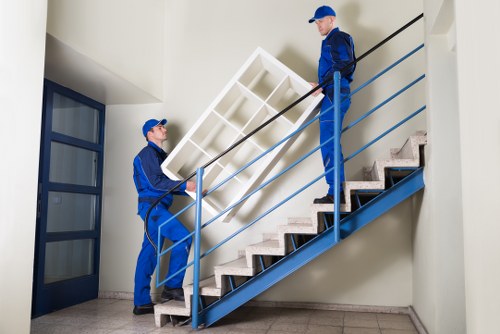 At Man With Van Balham, sustainability is built into the way we move, sort, and deliver items across South London. Our approach to recycling is designed to reduce landfill, support local reuse networks, and keep unnecessary mileage and emissions low. Whether we are handling a flat move, a partial clearance, or furniture transport, we aim to separate reusable, recyclable, and residual items with care. For a Balham man with van service, that means every collection is treated with a clear focus on responsible disposal and smarter resource use.
We work to a recycling percentage target of at least 85% for suitable non-hazardous materials from eligible jobs, with the goal of improving this figure year on year. That target reflects the practical reality of South London collections: a large share of items can be directed toward reuse, material recovery, or specialist recycling rather than general waste. In many cases, the best outcome is not disposal at all, but a second life through charities, local rehoming schemes, or borough-approved waste separation routes.
Balham sits within an area where borough-led waste separation is increasingly familiar to residents. Household recycling tends to be organised around sorted streams such as mixed dry recycling, paper and card, food waste, and garden or bulky waste where applicable. Our Man With Van Balham team respects that local system by keeping materials separated during loading, so recyclables are not contaminated by unsuitable items. 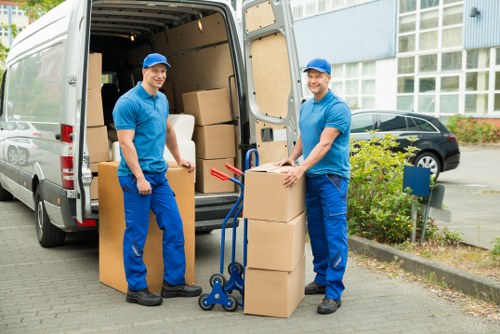 This careful sorting helps improve recovery rates and supports the cleaner processing expected at local transfer and treatment facilities.
Local transfer stations play an important role in that process. Items collected in and around Balham may be taken to nearby borough transfer stations and reuse hubs that serve the wider Wandsworth and Lambeth area, where loads can be assessed and directed to the correct facility. These sites support better handling of construction offcuts, broken furniture, small appliances, and general household materials. For a Balham man with a van operation, using the right transfer point is a practical way to cut waste travel distance and ensure each load follows the most suitable recovery route.
We also make room for charity partnerships because sustainability is not only about recycling; it is about reuse first. Where items are in good condition, we prioritise donation to local charities, community groups, and reuse organisations that can place furniture, kitchenware, books, textiles, and office items back into circulation. This can include items from house moves, tenant clear-outs, or business relocations. A well-kept table or chair may not need processing at all if it can help another household immediately.
 Charity collaboration is especially valuable in an area like Balham, where move patterns often produce a mixture of quality belongings and surplus items. We aim to identify what can be passed on before anything is classed as waste. That means checking for rehomeable sofas, storage units, bedside tables, and other usable pieces that could support families, community projects, or charity shops. This reuse-led model reduces pressure on local waste systems and keeps the environmental footprint of a move as low as possible.
Our commitment to lower emissions also shapes the fleet itself. We use low-carbon vans and fuel-conscious planning to reduce the environmental impact of each journey. Route efficiency matters in Balham, where local streets and frequent stop-start driving can quickly increase emissions if a job is poorly planned. By choosing vehicles with better efficiency and organising collections to minimise repeat trips, we support a cleaner recycling and sustainability model for the neighbourhood.
Where possible, van loads are consolidated so one journey can cover collections headed to different recovery destinations, provided the sorting remains clear and compliant. This reduces the number of trips to transfer stations and lowers overall fuel use. It also helps us support mixed but separated waste streams, which is useful in a densely populated area where residents may need help moving a range of items: cardboard from a move, unwanted furniture, metal fittings, broken small appliances, and packaging materials from renovations.
Our work also reflects the wider South London focus on practical material recovery. In boroughs around Balham, residents are increasingly encouraged to separate waste at source, which means paper, cardboard, plastics, glass, food scraps, and bulky items are kept apart for better processing. We align with that approach by sorting collection loads before they leave the property, and by directing metals, wood, WEEE items, and textiles into the correct recycling or reuse channels.  This helps ensure that the Man With Van Balham service contributes to a cleaner, more efficient local waste system.
For households and businesses, sustainable removals can be a straightforward extension of everyday recycling habits. We encourage the careful grouping of items before collection so that recyclable goods are easier to identify, and we look for opportunities to divert materials from landfill wherever safe and practical. Even when an item cannot be donated, it may still be broken down into recoverable components such as metal, wood fibre, or reusable packaging.
One reason our approach works well in Balham is that it matches the pace of local life: compact homes, frequent moves, flat clearances, and small business changes often create mixed loads that need thoughtful handling. By combining charity partnerships, transfer station use, and a recycling-first mindset, we create a more responsible service from start to finish. This is not about overcomplicating disposal; it is about making the environmentally sound option the easy one.
 In the end, Man With Van Balham aims to make sustainability part of the ordinary moving process. From a recycling percentage target that encourages measurable improvement, to low-carbon vans that reduce travel emissions, every step is designed with environmental care in mind. When a service supports reuse, local separation practices, and proper material recovery, it helps Balham move forward in a cleaner, more resource-conscious way.