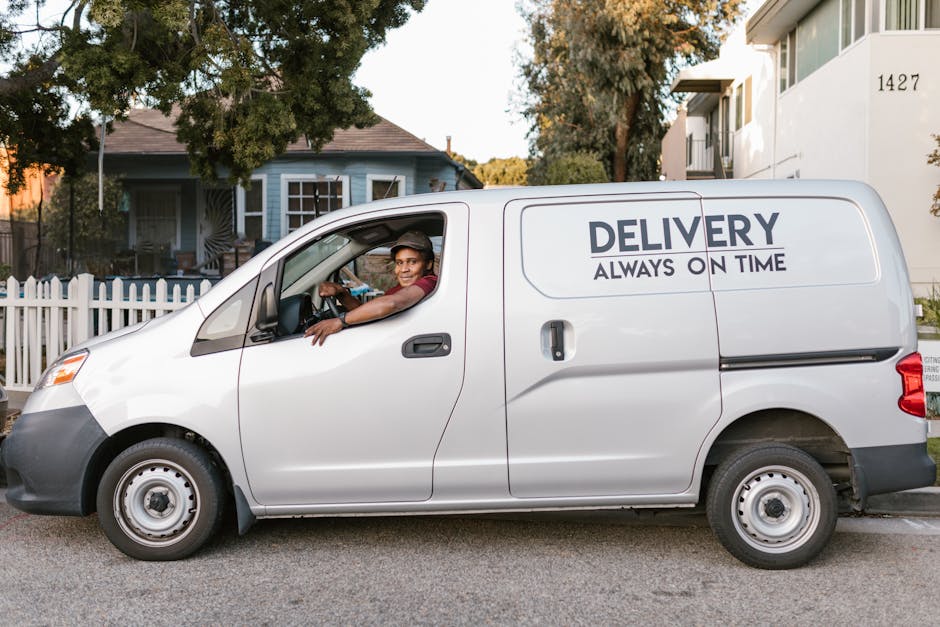
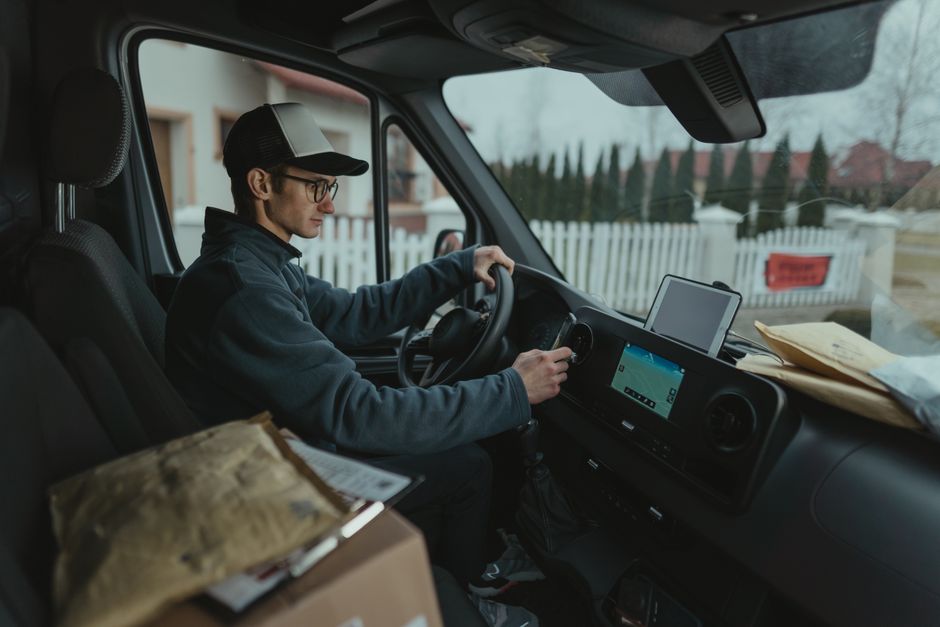
Clapham South to Balham man with van route tips
If you are planning a move or a bulky collection between Clapham South and Balham, the journey looks short on a map, but in real life it can still become fiddly fast. One awkward kerb, a narrow side street, a school run queue, and suddenly a simple job feels longer than it should. These Clapham South to Balham man with van route tips are designed to keep things calm, practical, and efficient, whether you are shifting a sofa, moving a flat, or doing a small office run.
In this guide, you will get route planning advice, loading and parking considerations, timing tips, and a few real-world fixes for the bits people usually overlook. If you need a broader local service overview too, you can also look at the company's man with van option, or browse the wider removal services page for different move types.
Table of Contents
- Why Clapham South to Balham man with van route tips Matters
- How Clapham South to Balham man with van route tips Works
- Key Benefits and Practical Advantages
- Who This Is For and When It Makes Sense
- Step-by-Step Guidance
- Expert Tips for Better Results
- Common Mistakes to Avoid
- Tools, Resources and Recommendations
- Law, Compliance, Standards, or Best Practice
- Options, Methods, or Comparison Table
- Case Study or Real-World Example
- Practical Checklist
- Conclusion
- Frequently Asked Questions
Why Clapham South to Balham man with van route tips Matters
On paper, Clapham South and Balham are close neighbours. In moving terms, that is good news. Shorter journeys usually mean lower transport time, less fuel, and fewer chances for damage. But local moves have their own little traps. You may only be travelling a few streets, yet the route can still be affected by traffic pinch points, parking pressure, roadworks, and the simple challenge of getting a van close enough to the door.
That is why route tips matter. A well-planned man and van journey is not just about the driving distance. It is about making sure the vehicle can stop legally, loading is quick, and the move does not get delayed by avoidable issues. In busy parts of south London, a ten-minute detour can matter more than people expect. A van waiting in the wrong place for even a few minutes can throw off the whole schedule. Not dramatic, just irritating enough to be memorable.
For some moves, especially small flat removals, the route plan is half the job. If you are moving from a top-floor flat with a tight stairwell, or collecting furniture from a side street with limited stopping space, you need a driver who thinks ahead. That is where local route awareness really pays off.
Expert summary: the best Clapham South to Balham move is rarely the shortest route on a sat nav. It is the route that balances timing, access, parking, and loading ease.
How Clapham South to Balham man with van route tips Works
The basic process is straightforward. First, the pickup and drop-off points are reviewed. Then the route is chosen with access in mind, not just mileage. After that, the vehicle size, parking setup, and load order are planned around the property type. A good move usually starts before the van even arrives.
In practical terms, the move often follows this pattern:
- Check both addresses carefully. Is there a front entrance, rear access, lift, loading bay, or only stair access?
- Look at the road layout. Some streets are easier to stop on than others, and narrow residential roads can make reversing awkward.
- Match the van to the job. A smaller van may be easier for tight access, while a larger one may reduce the number of trips.
- Plan the loading sequence. Heavy, fragile, and awkward items should not be thrown in randomly. That never ends well.
- Build in a time buffer. Even a local hop between Clapham South and Balham can be slowed by traffic, delivery vehicles, or a van already parked exactly where you need it.
For moves involving bigger household goods, it can help to review the right service mix, such as flat removals for apartment moves or furniture removals for single items and partial loads. If the job needs careful handling, especially with larger or delicate items, piano removals is the more suitable specialist option.
Key Benefits and Practical Advantages
The main reason people choose a man with van service for this route is convenience, but there are a few deeper benefits too. Short local routes can be planned with a lot more flexibility than long-distance removals, which gives you room to work around building access, traffic, and timing.
- Less wasted time: A route planned properly means fewer stop-start moments and fewer awkward loops around side streets.
- Better access planning: The van can be positioned for safer loading and unloading, which matters if you have bulky furniture or several boxes.
- Lower stress: When the driver knows the local area, you are not left explaining every side road or gate like it is a treasure map.
- More control over timing: This helps if your tenancy handover, building slot, or work schedule is tight.
- Good fit for small and medium moves: The route can support anything from a single-item pick-up to a small home move.
There is also a practical cost advantage. A local route with efficient loading is usually more economical than a service that spends half its time hunting for parking or making repeated trips. If you want to compare options and quote styles, the pricing and quotes page is a sensible next stop.
Who This Is For and When It Makes Sense
This route guidance is useful for a wide range of people, but especially if your move is local and time-sensitive. Think students shifting between flats, couples moving into a first home, people replacing large furniture, or small businesses relocating a few desks and boxes.
It tends to make the most sense when:
- you are moving only a short distance but still want a professional hand;
- your property has limited parking or awkward access;
- you need same-day or next-day flexibility;
- you are not moving enough to justify a full-scale removal truck;
- you want one vehicle, one trip, and fewer moving parts.
Students often need this kind of service when term dates overlap and everything is happening at once. For that, student removals can be a better fit than improvising with a borrowed car and three stressed friends. Small offices and hybrid workers may prefer office removals or broader commercial moves if desks, files, and tech need to be moved safely.
To be fair, not every job needs a specialist solution. Sometimes it really is just a van, a careful route, and a sensible person with a trolley. That simplicity is part of the appeal.
Step-by-Step Guidance
If you want the move between Clapham South and Balham to feel smooth rather than chaotic, work through the job in order. This is the part most people wish they had done the night before.
1. Confirm the exact pickup and drop-off details
Write down flat number, entrance notes, floor level, and any gate code or buzzer instructions. Small details save big delays. A driver arriving at the right street but the wrong entrance is a classic moving headache.
2. Check access at both ends
Ask yourself: can a van stop close to the door, or will items need to be carried some distance? Are there steps, low railings, or tight hallways? If the answer is yes, allow more time and protect corners, floors, and fragile items.
3. Decide what needs professional handling
Not everything is equal. A stack of boxes is very different from a wardrobe, mattress, glass table, or upright piano. If you have mixed items, note the awkward pieces first, because they shape how the rest of the loading works.
4. Pack in the right order
Heavy items go in first. Fragile items should be secured, not buried under random soft furnishings. Use blankets, straps, and box labels if possible. If you need help getting that organised, the packing and boxes page is useful for understanding how packing support can fit into the move.
5. Plan the route for the time of day
A route that feels fine at 11:00 a.m. may be awkward at school-run time or during an evening rush. If timing is flexible, leave a cushion on both ends. A small delay is better than a rushed unload with everyone shuffling sideways down the pavement.
6. Keep the unloading space clear
At the destination, make sure keys are ready and the space is prepared. If you are moving into a flat, clear the main walkway before the van arrives. If you are moving furniture only, move any old items out of the way first so the new piece does not have to wait in the hallway like an impatient guest.
Expert Tips for Better Results
After plenty of local moving jobs, a few patterns keep coming up. The same few tips make a real difference, and they are not fancy. Just useful.
- Choose a vehicle size that matches local access, not just volume. A slightly smaller van can be the smarter choice if parking is tight.
- Keep the load sequence simple. Items for the back of the destination should go in last. It sounds obvious, but in the rush, people forget.
- Use one person as the decision point. Too many voices at the door can slow everything down. One caller, one plan.
- Take photos of tricky furniture beforehand. If an item has detachable parts or delicate feet, that record helps everyone stay organised.
- Allow extra time for flats and upper floors. Stairwells are where moves often feel longer than expected.
Here is a small real-world observation: local moves often run late because people underestimate the unload, not the drive. The drive from Clapham South to Balham may be short, but getting a sofa through a doorway with a hinge that opens the wrong way can take more thought than the journey itself. Funny, in a slightly annoying way.
If you want extra handling support, packing and unpacking services can reduce friction on both ends. And if you are moving house rather than just one or two items, home moves may be the better fit.
Common Mistakes to Avoid
Most moving problems are not dramatic. They are small things that stack up. A wrong assumption here, a missing key there, and suddenly the day has gone from tidy to messy.
- Ignoring parking realities: Not every street has easy stopping space. A route that ignores parking can create delays even on short jobs.
- Packing too late: The morning of the move is not the time to hunt for tape or find out the kettle is still in a cupboard somewhere.
- Underestimating heavy items: That "small" dresser may be heavier and less friendly than expected.
- Forgetting access notes: If the driver does not know about a loading restriction, gate, or stairwell, the schedule can slip.
- Choosing the wrong service type: A standard van job is not always enough for specialist items. For example, delicate or large pieces may need more careful handling than a general collection.
Another common issue is overfilling the van. Yes, you want to make the most of each journey. But cramming boxes too tightly can damage items and make unloading awkward. Nobody wants to play Tetris with a mirror.
Tools, Resources and Recommendations
You do not need a suitcase full of gadgets to organise a good local move, but a few basics help. The goal is to make the process easier, not more complicated than a tax return.
Useful practical tools
- Strong boxes and tape: Standard, sturdy packaging saves time and reduces breakage.
- Blankets and wrapping material: Helpful for furniture edges, especially on short urban routes with narrow door frames.
- Labels or markers: Clear labels make unloading faster and less chaotic.
- Straps or ties: Good for keeping tall or awkward items secure in the van.
- Phone notes: Simple, but effective for access codes, arrival times, and a quick inventory list.
Useful service pages to consider
If your move is more than a simple pick-up, these options can help you choose the right level of support: man and van, removal van, and removal truck hire. For larger or more complicated jobs, house removals and house removalists may be more appropriate.
If you are storing items temporarily during a gap between addresses, storage can be a very sensible bridge. It stops the move from becoming a pile of boxes in someone's front room, which, let's face it, nobody truly wants.
Law, Compliance, Standards, or Best Practice
For local van moves, a lot of the most important guidance sits in everyday best practice rather than dramatic legal detail. Still, there are a few sensible standards to keep in mind. Vehicles should be roadworthy, loads should be secured, and drivers should plan in a way that avoids unnecessary risk to people, property, and traffic.
In the UK, it is normal to expect a removal provider to take care with loading, safe lifting, and transport security. Good practice also means being careful around access points, protecting surfaces where needed, and respecting any restrictions at the pickup or drop-off location. If you are moving into a managed building, the building rules may matter just as much as the road route. Those rules can cover lift use, quiet hours, or loading arrangements, and they are worth checking before the van arrives.
Trust matters too. A provider that is open about insurance and safety gives you more confidence before anything is lifted. If you want to understand working standards in more detail, the company's health and safety policy and terms and conditions are sensible documents to review before booking.
There is also a broader customer-service angle. If something goes wrong, a clear process helps everyone. That is why pages like complaints procedure and payment and security are reassuring touchpoints rather than afterthoughts. Practical, not flashy. But valuable.
Options, Methods, or Comparison Table
For a short route like Clapham South to Balham, there are several ways to approach the move. The best choice depends on how much you are carrying, how urgent it is, and how awkward the access looks.
| Option | Best for | Strengths | Trade-offs |
|---|---|---|---|
| Man with van | Small to medium local moves | Flexible, quick, practical for short journeys | May need more planning for bulky or fragile items |
| Removal van | Furniture, mixed household items | Good balance of capacity and manoeuvrability | Parking and access still need attention |
| Removal truck hire | Larger or fuller moves | More space for bigger jobs | Can be less convenient on tighter streets |
| Same-day removals | Urgent moves or last-minute problems | Fast response, helpful in a pinch | Less flexibility if the job is complex |
If you are unsure which method fits best, a local route with light to moderate loads usually suits a same-day removals option or a standard man with van arrangement. If the job is more specialised, it is worth choosing the service that matches the item rather than forcing everything into one box.
Case Study or Real-World Example
Here is a realistic example. A customer needs to move from a one-bedroom flat near Clapham South to a new place in Balham. The load includes a bed frame, mattress, two shelving units, six boxes, a desk, and a couple of bags. On paper, that sounds easy enough. In practice, the flat is on the second floor, the street has limited stopping space, and there is a busy patch of traffic near the preferred arrival time.
The move goes better because the route is planned around those details. The van arrives slightly outside the busiest window. The driver stops where access is safest rather than where it looks neat on the map. The bed frame is loaded first so it comes out last. Fragile items are wrapped and grouped together instead of being spread across the load. The result? Less backtracking, less lifting, and no frantic rearranging on the pavement while everyone waits.
Nothing magical. Just good decisions made early.
That sort of thinking also works for furniture collections. If you are only moving a few pieces, the combination of a sensible route and a careful furniture pick-up service can save a lot of effort. For larger household clearances, broader removals support may make more sense.
Practical Checklist
Use this checklist before the van arrives. It sounds basic. It is basic. That is why it works.
- Confirm both addresses and any flat or unit numbers.
- Check parking options at pickup and drop-off.
- Note steps, lifts, gates, or access codes.
- Measure large items that may be awkward in hallways or doorways.
- Pack boxes securely and label fragile items clearly.
- Separate essentials you want to keep with you.
- Tell the driver about any heavy, fragile, or unusual items in advance.
- Build in extra time for busy periods and possible waiting.
- Keep keys, documents, and payment details ready.
- Have a backup plan for storage if the new place is not ready yet.
If you are moving out of a home with a mix of old and new items, or you are clearing some furniture while keeping the rest, a combination of furniture removals and recycling and sustainability awareness can help you avoid unnecessary waste.
Conclusion
A short move between Clapham South and Balham can be very straightforward when the route, access, and load are all thought through properly. That is the real secret. Not speed alone, not a bigger van for the sake of it, and not luck. Just sensible planning and local awareness.
Whether you are moving a few boxes, a sofa, or a full flat, the best route tips are the ones that reduce stress before it starts. Plan the stop, check the access, choose the right service, and give yourself a little breathing room. It makes the whole day feel lighter.
If you want support that fits your move, service choice, and timing, exploring the local options early can save a lot of last-minute scrambling. And honestly, that is worth its weight in cardboard.
Get a free quote today and see how much you can save.
Frequently Asked Questions
How long does a man with van move from Clapham South to Balham usually take?
It depends on the load, access, and time of day, but the actual drive is short. The loading and unloading usually matter more than the route itself. Flats, stairs, and parking can add time.
Is the shortest route always the best route?
Not always. The shortest route on a map may not be the easiest for parking, stopping, or avoiding heavier traffic. A slightly longer route can be better if it makes loading and unloading smoother.
Do I need to reserve parking for a local move?
Sometimes, yes. If parking is tight or stopping near the entrance is likely to be difficult, it is worth planning ahead. Even a short walk with heavy items can slow a move down quite a bit.
What size van do I need for a Clapham South to Balham move?
That depends on what you are moving. A few boxes and one or two pieces of furniture may suit a smaller van, while a fuller flat move could need something larger. The access route matters as much as the volume.
Can a man and van service help with flat removals?
Yes, especially for smaller flat removals. It is a common choice for local moves where the load is manageable but the access still needs careful handling.
What should I tell the driver before moving day?
Share the exact addresses, floor levels, parking notes, access codes, and a list of any large or fragile items. The more accurate the information, the smoother the day usually goes.
Is same-day removal possible on this route?
Often, yes, if availability allows and the job is straightforward. Same-day removals can be especially useful for urgent collections, last-minute tenancy changes, or unexpected delays.
What if I only need one item moved?
That is very common. Furniture pick-ups and furniture removals are ideal for single items, especially when they are bulky or awkward to transport yourself.
Should I use storage if my new place is not ready yet?
If there is a gap between addresses, storage can be a practical stopgap. It keeps the move manageable instead of turning your life into a temporary mountain of boxes.
How do I know whether I need removals rather than a simple van job?
If you have a larger household load, more fragile items, or complicated access, broader removals support is usually the better fit. A simple van job is best for smaller, cleaner, more direct moves.
Are office moves and home moves handled differently?
Yes. Office moves usually need more planning around equipment, working hours, and downtime, while home moves focus more on furniture, boxes, and domestic access. The route may be similar, but the priorities differ.
What is the main mistake people make on short local moves?
Underestimating access. The distance is short, so people assume the whole job will be quick. But stairs, parking, and loading can take longer than expected if they are not planned in advance.